
If you are researching new flooring for your home renovation in Ontario, you have almost certainly come across “Lifeproof.” As the heavily marketed, exclusive house brand for one of the world’s largest big-box home improvement stores, it is often the first Luxury Vinyl Plank (LVP) product homeowners encounter. Here you can find some of the best Lifeproof vinyl flooring alternatives.
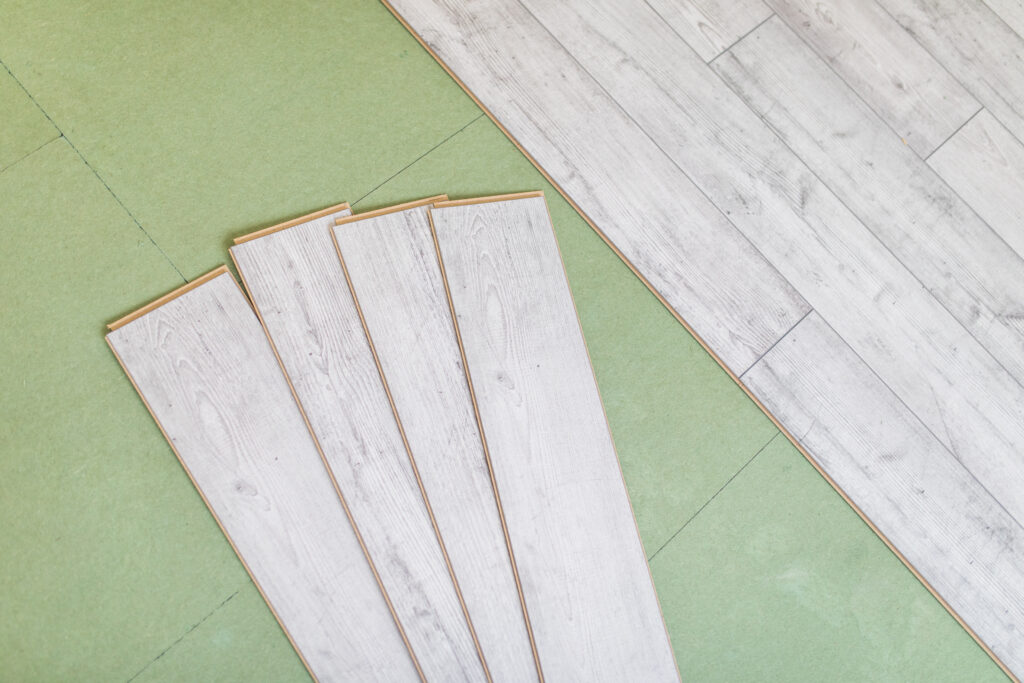
Because of its massive marketing budget and convenient retail availability, many buyers assume Lifeproof is the absolute gold standard for waterproof flooring. But is it actually the best option for your home, or just the most recognizable?
At Alliston Flooring, we speak with homeowners from Barrie, Bradford, Newmarket, and Alliston every single day who are looking for the most durable, beautiful, and cost-effective flooring for their homes. While big-box brands are decent for quick DIY fixes, homeowners seeking long-term value are often surprised to learn that contractor-grade Lifeproof vinyl flooring alternatives offer significantly better durability, superior warranties, and elevated designs—often at a highly competitive price point.
In this comprehensive 2026 guide, we are pulling back the curtain on the luxury vinyl plank industry. We will break down exactly how contractor-grade LVP compares to big-box retail brands, explain the critical specifications you need to look for, and reveal the best waterproof flooring alternatives for your Ontario home.
Understanding LVP: What Makes a Good Vinyl Floor?
Before we dive into the alternatives, it is crucial to understand how luxury vinyl plank flooring is constructed. When you evaluate any LVP product—whether it is Lifeproof or a premium alternative—you are looking at four primary layers:
- The Attached Underlayment: The bottom layer, usually made of foam or cork, which provides sound insulation and walking comfort.
- The Rigid Core: The thickest part of the plank. This is typically made of SPC (Stone Polymer Composite) or WPC (Wood Plastic Composite), which gives the floor its 100% waterproof capabilities and structural stability.
- The Luxury Vinyl Print Layer: The high-definition 3D image that mimics natural hardwood, stone, or tile.
- The Wear Layer: The clear, protective top coating (usually made of urethane enhanced with aluminum oxide or ceramic bead technology). This is the most critical layer for scratch and stain resistance.
When comparing big-box brands to specialized flooring store brands, the differences almost always lie in the Core Density and the Thickness of the Wear Layer.
The Hidden Downsides of Big-Box Retail Flooring
Why should you look for Lifeproof vinyl flooring alternatives? While retail brands are convenient, they are manufactured to hit specific, massive profit margins for giant corporations. This often results in a few hidden compromises:
1. The Wear Layer Trap
The wear layer is what protects your floor from dog claws, moving furniture, and heavy foot traffic. It is measured in “mils” (a thousandth of an inch). Many standard retail LVP products feature a 6-mil or 12-mil wear layer. While this is acceptable for a low-traffic guest bedroom, it is highly inadequate for a busy Ontario hallway, a kitchen, or a home with large pets. Contractor-grade alternatives typically start at a 20-mil to 28-mil wear layer, offering commercial-level protection for residential homes.
2. Repetitive Print Patterns
Have you ever walked into a room and noticed the exact same “wood knot” appearing on four different planks right next to each other? Big-box brands mass-produce their floors, which often means they use a very limited number of unique print films. Specialized LVP brands invest in high-definition imaging with dozens of unique board patterns, ensuring your floor looks like authentic, natural hardwood without obvious repetition.
3. The DIY Installation Myth
Retail brands heavily market their products as easy, snap-together DIY projects. However, what they bury in the fine print is the strict subfloor requirements. If your concrete basement floor or plywood subfloor does not meet their exact microscopic leveling specifications, pressure can break the locking mechanisms and completely void your warranty. Manufacturers design professional, contractor-grade flooring with robust, reinforced locking systems (such as the Unilin or Välinge systems) to withstand decades of use.
Lifeproof vs. Contractor-Grade LVP: A Direct Comparison
To make your shopping experience easier, we have created a direct, head-to-head comparison of standard big-box retail LVP versus the premium, contractor-grade alternatives we supply and install across Simcoe County.
| Feature / Specification | Standard Big-Box LVP (e.g., Lifeproof) | Premium Contractor-Grade LVP (Alliston Flooring) |
| Typical Wear Layer | 6-mil to 12-mil (Residential grade) | 20-mil to 28-mil+ (Commercial grade) |
| Scratch Resistance | Moderate (Vulnerable to large pets/heavy furniture) | Superior (Enhanced with Aluminum Oxide/Ceramic) |
| Core Construction | Standard SPC or WPC | High-Density Rigid Core SPC (Extreme stability) |
| Pattern Repetition | High (Often 4 to 6 unique planks per box) | Low (Authentic, natural variation with 10+ unique planks) |
| Locking System | Standard drop-and-lock | Reinforced, patented locking systems (reduces separation) |
| Pricing Model | Retail markup built-in | Direct-from-manufacturer wholesale pricing |
| Warranty Support | Handled by a 1-800 corporate customer service number | Handled directly by your local flooring dealer |
The Top 3 LVP Alternatives for Ontario Homes in 2026
If you are ready to upgrade your renovation, here are the top categories of luxury vinyl plank that outperform standard retail options, perfectly suited for the harsh realities of Ontario’s climate.
1. High-Density SPC (Stone Polymer Composite) Vinyl
Ontario winters mean one thing: snow, salt, and slush dragged into your mudroom and hallways. SPC vinyl features a core made of limestone powder and stabilizers. It is incredibly dense, 100% waterproof, and highly resistant to temperature fluctuations. Unlike standard vinyl that might expand and contract with the changing Canadian seasons, high-density SPC stays perfectly rigid. If you want the ultimate Lifeproof alternative for a basement or kitchen, a 20-mil SPC plank is your best investment.
2. WPC (Wood Plastic Composite) with Enhanced Acoustic Backing
If comfort and warmth are your top priorities, WPC vinyl is a phenomenal alternative. WPC incorporates wood flour or foaming agents into the core, making it slightly softer underfoot and better at retaining heat than SPC. Premium contractor-grade WPC often comes with a specialized, extra-thick cork or high-density IXPE foam underlayment. This provides superior soundproofing—perfect for second-story bedrooms or condos where you want to eliminate the hollow “clicking” sound often associated with cheap laminate and big-box vinyl.
3. Extra-Wide and Extra-Long European Style Planks
In 2026, interior design trends have heavily shifted away from narrow, busy floorboards. Homeowners are demanding the “European White Oak” aesthetic—wide, sweeping planks that make a room feel expansive and luxurious. Big box stores often limit their plank sizes to standard dimensions to save on shipping and shelf space. Premium flooring manufacturers offer stunning 7-inch to 9-inch wide planks, and lengths up to 6 feet, giving your home an ultra-high-end, custom architectural feel that retail brands simply cannot match.
Why Buying Local Beats the Big Box Store
When you purchase flooring from a massive retail chain, you are simply a transaction number on a receipt. If something goes wrong with the locking mechanism, or if you need to file a warranty claim. You are left navigating a maze of corporate automated phone systems, only to be told that your DIY installation voided the guarantee.
At Alliston Flooring, we do things differently.
- Expert Guidance: We don’t just point you to an aisle. We sit down with you, analyze your specific home environment (pets, kids, subfloor conditions, moisture levels), and recommend the exact formulation of vinyl that will perform best.
- Professional Installation: We employ dedicated, professional installers who service Alliston, Barrie, Newmarket, Bradford, and the surrounding areas. We properly prep the subfloor, ensure impeccable transitions, and stand behind our workmanship.
- Direct Manufacturer Pricing: Because we source our contractor-grade LVP directly from top-tier flooring manufacturers, we eliminate the massive retail markup. You get a significantly superior floor—with a commercial-grade wear layer—often for the exact same price you would pay for a lesser product at a big-box store.
Frequently Asked Questions About Lifeproof and LVP Flooring
Is Lifeproof flooring SPC or WPC?
Most current Lifeproof products sold at Home Depot are SPC (Stone Plastic Composite), meaning the core is made from a rigid blend of limestone powder and PVC. Earlier Lifeproof lines used WPC (Wood Plastic Composite), which has a softer, slightly more cushioned core but is less dimensionally stable under temperature fluctuation.
For Ontario homeowners, SPC is the better core type because it handles the dramatic temperature swings between dry winter heating and humid summer air without expanding, contracting, or gapping at the seams. The problem with Lifeproof specifically is not the core type — it is the wear layer thickness sitting on top of that core. Most Lifeproof SPC products ship with a 6 to 12 mil wear layer, which is adequate for light residential use but degrades noticeably faster in high-traffic Ontario homes with pets, salt-tracked entryways, and seasonal humidity changes.
What wear layer thickness do I actually need for an Ontario home?
Wear layer thickness is the single most important specification when comparing any LVP product, and it is the number where retail-grade flooring consistently cuts corners. Here is what each thickness level means in real-world use: 6 mil — Entry-level retail grade. Acceptable for low-traffic bedrooms or rental properties where replacement cost matters more than longevity. 12 mil — Mid-range residential. Suitable for most family homes without large dogs or heavy daily traffic. 20 mil — Contractor grade. The standard for homes with large dogs, active kids, or high-traffic entryways.
This is the minimum we recommend for any Ontario home where salt, grit, and winter boots are a daily reality from November through April. Most Lifeproof products sit between 6 and 12 mil. The contractor- grade LVP we carry at Alliston Flooring starts at 12 mil and goes up to 20 mil — meaning your floor will look the same in year ten as it did in year one.
What is the best LVP flooring for Ontario winters?
Ontario winters create three specific challenges that most LVP buying guides written for American or British audiences completely ignore: Temperature cycling — Your home goes from dry forced-air heat in January to humid summer air in July. Cheap LVP with a thin vinyl core can expand and contract enough to cause visible gapping at plank seams over time. A rigid SPC core with a thickness of 8mm or more handles this cycling without moving. Salt and grit — From November through April, every person and pet entering your home tracks in road salt, sand, and ice melt chemicals. These abrasives act like sandpaper on thin wear layers.
A 20 mil wear layer resists this; a 6 mil wear layer shows the damage within two or three seasons. Entryway moisture — Boots, umbrellas, and wet coats mean your mudroom and entryway floors regularly see standing water. Any LVP going into these areas needs a fully waterproof SPC core — not just water-resistant — with tight locking joints that prevent moisture from seeping through the seams to the subfloor. The best LVP for Ontario winters combines a rigid SPC core of at least 8mm total thickness, a 20 mil wear layer, and an attached underlayment for sound deadening on cold concrete subfloors. Visit our Alliston showroom to feel the difference between retail-grade and contractor-grade planks side by side before committing to either.
What is the difference between contractor-grade and retail-grade vinyl flooring?
Retail-grade vinyl flooring — the kind sold at Home Depot, Costco, and Lowe’s under brand names like Lifeproof, LifeProof, and TrafficMaster — is engineered to a specific retail price point. That means the manufacturer controls cost by reducing wear layer thickness, using lighter locking systems, and producing thinner overall planks that are easier and cheaper to ship in bulk. Contractor-grade vinyl is produced for the professional trade — flooring installers, builders, and renovation contractors who buy in volume and need products that hold up to real-world conditions and professional warranties. The practical differences in a side-by-side comparison: Wear layer: Retail typically 6–12 mil. Contractor grade 12–20 mil.
Plank thickness: Retail typically 5–8mm total. Contractor grade 8–12mm total, which feels substantially more solid underfoot and eliminates the hollow sound cheaper vinyl is known for. Locking system: Contractor-grade planks use a heavier-duty click-lock joint that resists separation under heavy furniture and temperature movement. Warranty: Retail brands typically offer 15–25 year limited warranties with significant exclusions. Contractor-grade products from trade suppliers commonly carry lifetime residential warranties. Price difference: Often less than one dollar per square foot — meaning the contractor-grade option costs only marginally more upfront but delivers dramatically better long-term performance.
Can I see Lifeproof alternatives in person before buying?
Yes, and we strongly recommend it. The difference between a 6 mil retail plank and a 20 mil contractor-grade plank is immediately obvious the moment you pick them both up and flex them in your hands — something no product photo or specification sheet can convey accurately. At the Alliston Flooring showroom, you can hold both types of plank, scratch-test the wear layers yourself, and see how the locking systems click together. We also carry sample boards of our most popular finishes so you can take them home and see how they look under your actual lighting before committing to a single square foot. We serve homeowners across Alliston, Barrie, Bradford, Newmarket, and Innisfil. Book a free showroom consultation and a flooring specialist will set aside dedicated time for your project, walk you through the contractor-grade options within your budget, and provide a full written quote at no charge.
Ready to Feel the Difference in Person?
Reading about wear layers and rigid cores is one thing, but feeling the heavy, durable weight of a premium luxury vinyl plank in your own hands changes everything.
Don’t settle for heavily marketed retail flooring when you can have contractor-grade durability for your home. Skip the overwhelming warehouse aisles and get personalized, expert advice.
Whether you are renovating a single bathroom in Newmarket or flooring an entire newly built home in Barrie, our team is ready to help you find the perfect, 100% waterproof floor that will last for decades. Check our Lifeproof vinyl flooring alternatives collection here.